Field note
How to plan a merch activation, week by week.
The activations that feel effortless on the day are the ones planned properly eight weeks out. Here is the runway we walk clients through.
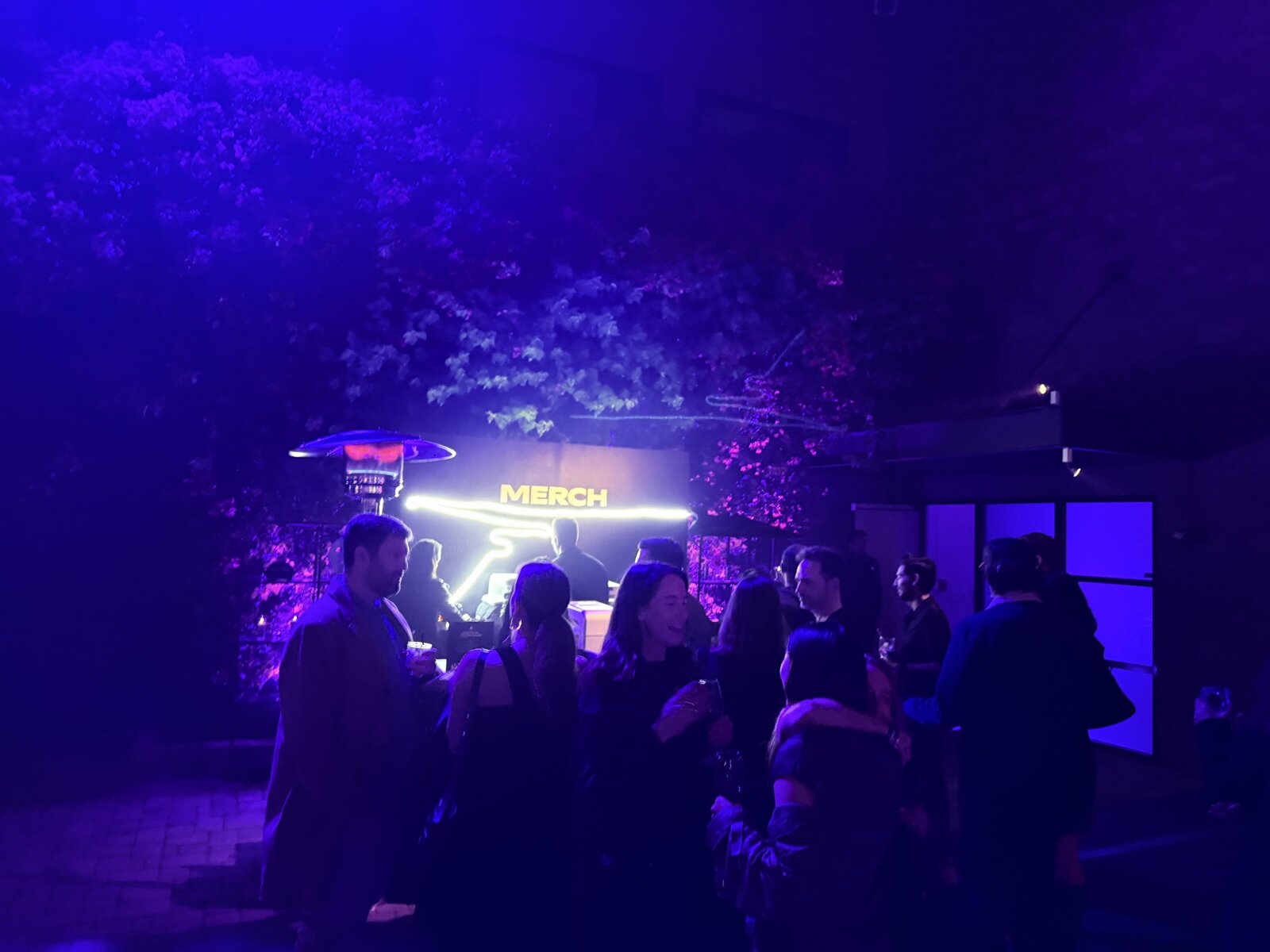
Eight weeks out: the brief
Start with the outcome, not the product. Is this activation for reach, for gifting, for content, or for lead capture? The answer shapes every later decision. Lock the event type, the expected audience, the city, and the date, and you have enough to start scoping.
Six weeks out: choose the stations
Match the station list to how the crowd will move. A festival wants two fast live DTF lines; a corporate summit wants a hat bar and embroidery; a launch wants a hero station built for content. This is also when you set a realistic throughput target — a single press line handles a few hundred pieces a day, and you scale from there.
Four weeks out: product and artwork
Pick the blanks — a Bella+Canvas 3001 tee, a Richardson 112 cap, a hoodie for cooler venues — and build a tight guest menu. Keep design options few; a short menu keeps the line moving. Send campaign art now so transfers can be prepared and color-matched with room to spare.
Two weeks out: logistics
Confirm the booth footprint, power circuits, and load-in window with the venue. Size the crew to your peak hours, not your average. For out-of-region dates, freight and travel are locked here.
Event week: the run of show
Stage blanks, dial in press timing and heat zones in advance, and set the handoff system. On the day the station should already be a known quantity — load in early, run a test press, and open the line the moment doors do.
The one thing people skip
Restock. A multi-day activation that runs out of the popular size on day two loses its line. Build a restock plan into the runway and day three will run as clean as day one.
Scope an activation
Put the plan to work.
Send the event, the audience, the city, and the date. We come back with a station plan, a throughput target, and a budget you can hand to the client.